

By NhaHuynh| April 08, 2026
The year 2025 wasn’t just another year for digital marketing; it was the year the “old” Facebook died to make way for a giant, autonomous AI matching engine. For brands in Vietnam and across the globe, “onboarding” on Facebook has shifted from a social media play to a complex high-stakes investment in data and silicon.
With McKinsey forecasting a consistent 15% annual growth in ad revenue through 2027, the question is no longer if you should be on Facebook, but how you survive the algorithm’s brutal efficiency.
1. The Market Shift: From “Targeting” to “Predicting”
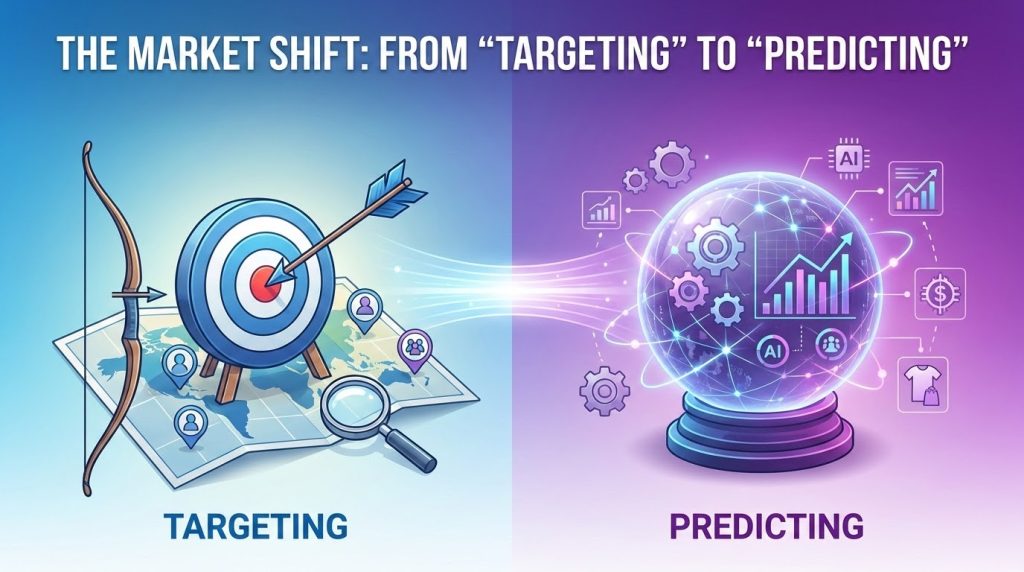
As we step into mid-2026, the term “Targeting” feels like an antique. In 2025, Meta’s transition to the Llama 4 architecture fundamentally changed the auction house.
Previously, we told Facebook who our customers were. Today, Facebook tells us. With global ad spend rising 12% (eMarketer), the surplus isn’t going into banners—it’s going into Short-form Video (Reels) and Automated Commerce. In the Vietnamese market, the feed has become a “discovery engine.” Your brand doesn’t wait for a search query anymore; it must interrupt the scroll with such precision that it feels like serendipity.
2. The Hard Truth: The Rising Cost of “Average”
The massive influx of brands onto the platform has created a “noise tax.” As CPMs and CPCs fluctuate under the weight of AI-driven auctions, many brands are seeing their ROAS (Return on Ad Spend) bleed out.
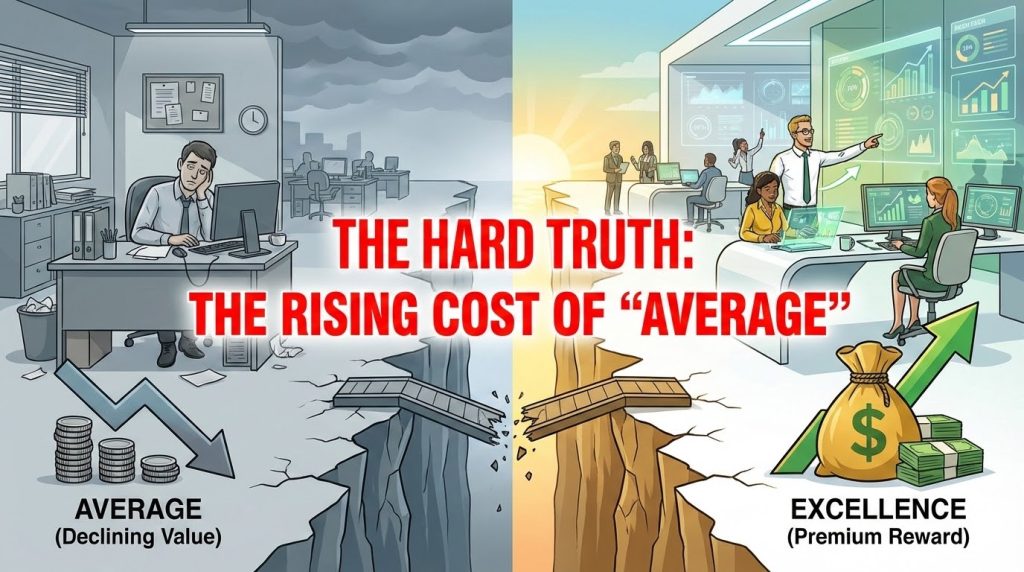
The Reality Check: Most brands are still obsessed with vanity metrics. In 2026, the algorithm penalizes “boring” content with higher costs. Meta’s AI now “watches” your video ads before they even go live. If the AI detects low engagement potential or a lack of creative “hook,” your CPA (Cost Per Acquisition) is throttled before the first human even sees it.
3. Expert Post-Mortem: Why “Traditional” Strategies are Failing
Looking back at the data from late 2025, a pattern emerges among the brands that went dark. Their fatal mistakes were:
- Signal Loss Ignorance: Still relying on old browser cookies instead of the Conversions API (CAPI). In a privacy-first world, if your brand isn’t sending first-party data back to Meta, you’re flying blind.
- Creative Stagnation: Using a single “hero” image for a month. The 2026 algorithm thrives on Creative Diversity.
- The “Human” Bottleneck: Brands that refused to let go of manual targeting and ignored Meta Advantage+ found themselves outspent and out-optimized by AI-automated competitors.
4. The 2026 Playbook: How the Winners are Scaling
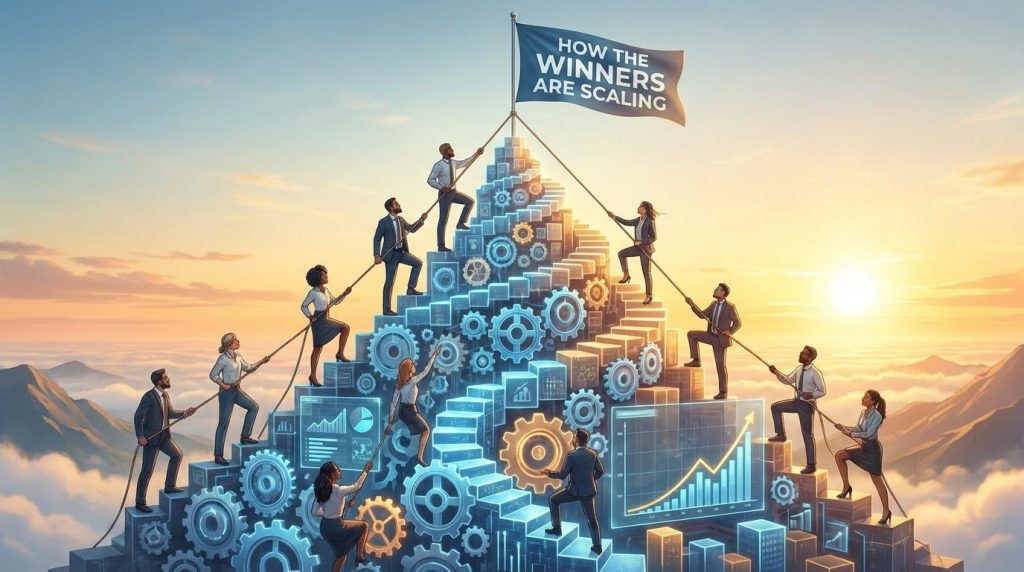
The most successful case studies of this year don’t come from massive budgets, but from Technical Intelligence.
- Case in Point: A leading Vietnamese retail brand slashed their ad costs by 30% last year. Their secret? They stopped “guessing” their audience. By feeding their offline CRM data into Meta’s AI, they allowed the machine to find “High-Value Lookalikes”—customers who don’t just click, but stay.
- Generative Agility: Winners are now using Generative AI to produce 100 variations of a single ad concept, allowing the algorithm to “micro-test” which visual works for a Gen Z student in Hanoi versus an office worker in HCMC.
5. Looking Ahead: The 5-Year Horizon (2026-2031)
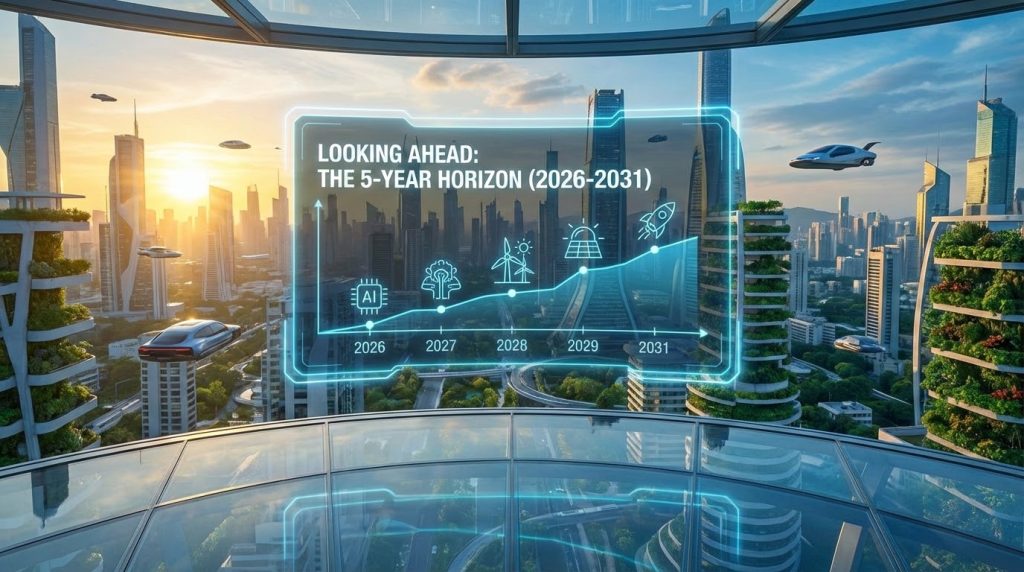
The future of Facebook branding isn’t on a screen; it’s in the Interface.
- Conversational Commerce: Within 24 months, the “Click-to-Web” ad will be secondary. The “Click-to-AI Agent” will dominate, where a brand’s AI closes the sale inside Messenger without a human ever picking up a phone.
- Visual Convergence: With the mass adoption of Meta’s smart glasses, the line between “seeing” a product in the real world and seeing a Facebook ad for it will vanish.
- The “Zero-Latency” Supply Chain: Advertising will integrate so deeply with inventory that ads will automatically pause the moment a SKU runs low, and restart when the shipment arrives.
Strategic Verdict
Bringing your brand to Facebook in 2026 is an admission that you are part of a global AI ecosystem. To win, you must stop thinking like a “poster” and start thinking like a Data Architect.
The key to the next five years? Invest in your First-Party Data, trust the Automation, and never underestimate the power of a 3-second hook. The algorithm is no longer your tool; it is your partner. It’s time you started treating it like one.